

Getting Started
•
Oct 6, 2026
How to Choose a Credit Card
A step-by-step method for picking a card: define your goal, compare APR and fees in the Schumer box, and check approval odds.
An educational introduction to revolving credit: what a credit card is, how billing cycles and grace periods work, and the rules that govern cardholder costs.
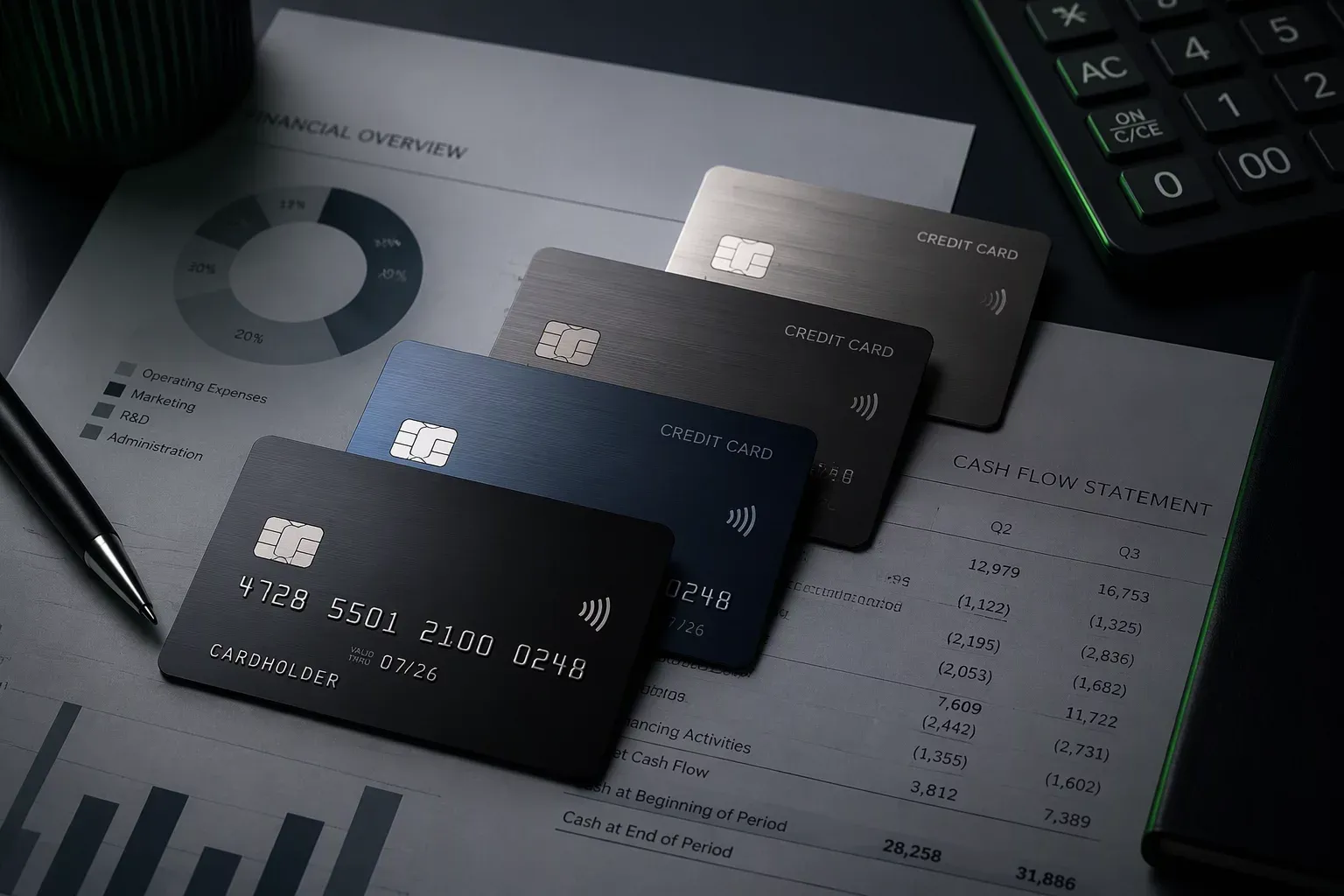
A credit card is a revolving line of credit issued by a bank or credit union. Unlike a debit card, which pulls money directly from a checking account, a credit card lets you borrow against a preset limit and repay it later — either in full or over time with interest. Each month the issuer produces a statement summarizing purchases, payments, fees, and any interest accrued.
Understanding the mechanics matters because the same card can cost nothing or hundreds of dollars per year depending on how it is used. Consumers who pay the statement balance in full generally avoid interest entirely, while those who carry balances are charged interest at the card's annual percentage rate (APR).
Every account operates on a billing cycle of roughly 28–31 days. During the cycle your transactions accumulate; at the end, the issuer closes the statement and gives you a due date at least 21 days later. The window between the statement closing date and the due date is the grace period — pay the full statement balance by the due date and no purchase interest is charged.
If you pay less than the full balance, interest is applied to the carried amount based on the card's APR converted into a daily periodic rate. The minimum payment — typically 1%–3% of the balance plus accrued interest — keeps the account in good standing but can stretch repayment for years, which is why regulators require issuers to print a minimum-payment warning table on every statement.
The Consumer Financial Protection Bureau enforces the Credit CARD Act of 2009 and Regulation Z, which require clear rate and fee disclosures, at least 21 days between statement closing and the due date, and penalty-fee limits. The Federal Trade Commission enforces the Fair Credit Billing Act, which caps your liability for unauthorized credit card charges at $50 and establishes a formal billing-error dispute process.
Neither agency endorses specific cards. Funditia's guides are educational summaries of public rules — always verify current terms in the issuer's official cardmember agreement before applying.
Educational references: Consumer Financial Protection Bureau (consumerfinance.gov) and Federal Trade Commission (consumer.ftc.gov). Funditia is an independent educational publication and is not a credit card issuer, lender, or credit repair organization.
Receive unbiased educational guides on credit cards, credit scores, and consumer protection rules based on CFPB and FTC public resources, directly to your inbox.
A step-by-step method for picking a card: define your goal, compare APR and fees in the Schumer box, and check approval odds.
Flat-rate vs tiered vs rotating cash back: how each structure earns, how redemption works, and how to estimate your real return.

Points, miles, portals, and transfers — how travel cards earn and redeem rewards, and how to judge whether the annual fee is worth it.